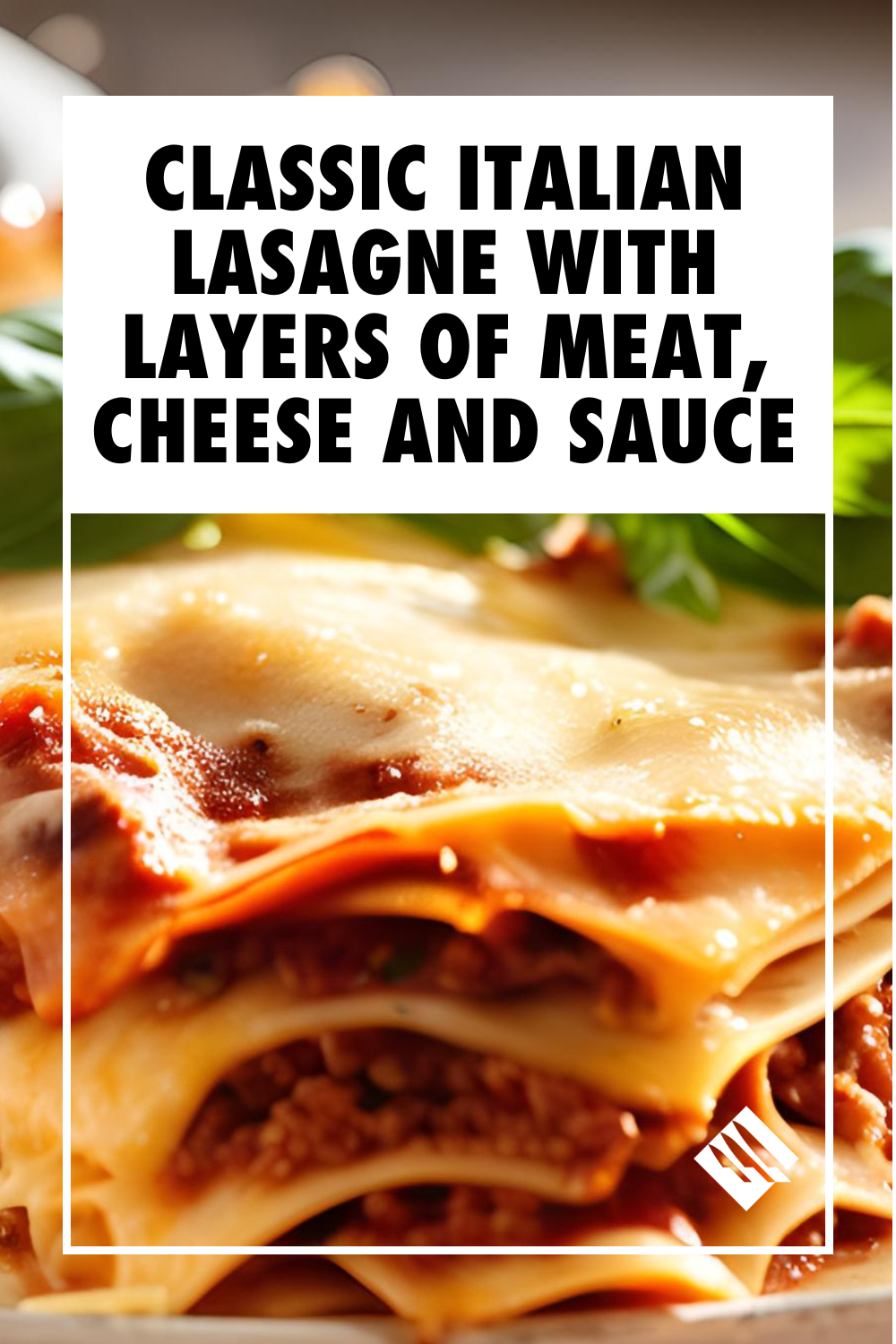
Classic Italian Lasagne with Layers of Meat, Cheese and Sauce

Classic Italian Lasagne with Layers of Meat, Cheese and Sauce

Servings

8

Prep Time

30 minutes

Cook Time

50 minutes

Calories

455

Cuisine

Italian

Category

Main Course

Lasagne is the epitome of Italian comfort food, with its rich layers of pasta, creamy cheese, and savory meat sauce. This classic dish offers a delightful combination of textures and flavors—soft noodles, hearty meat, and gooey melted cheese. 


A perfect balance of seasoning, tomatoes, and fresh herbs brings out the best in the dish, making each bite a warm and satisfying experience. Whether you’re serving it at a family dinner or a special gathering, lasagne is guaranteed to be a crowd-pleaser.


One of the great things about lasagne is its versatility. You can adjust the ingredients to suit your tastes or dietary needs, from using ground turkey instead of beef to opting for a vegetarian version packed with layers of roasted vegetables and spinach. It's also the perfect make-ahead meal, as it reheats beautifully and allows the flavors to deepen with time. 


Serve it with a simple side salad or some crusty garlic bread, and you have a complete meal that feels like a warm hug in a bowl.

Classic Italian Lasagne with Layers of Meat, Cheese and Sauce

Ingredients

  • 12 lasagna noodles

  • 1 pound ground beef

  • 1 pound Italian sausage

  • 1 onion, diced

  • 3 garlic cloves, minced

  • 1 (28 oz) can crushed tomatoes

  • 1 (6 oz) can tomato paste

  • 1 (15 oz) can tomato sauce

  • 2 tablespoons sugar

  • 2 teaspoons dried basil

  • 1 teaspoon dried oregano

  • 1/2 teaspoon salt

  • 1/4 teaspoon black pepper

  • 15 oz ricotta cheese

  • 1 egg

  • 2 cups shredded mozzarella cheese

  • 1/2 cup grated Parmesan cheese

  • 2 tablespoons chopped fresh parsley

Directions

  1. Preheat the oven to 375°F (190°C). Cook lasagna noodles according to package directions, drain, and set aside.

  2. In a large skillet, cook the ground beef, Italian sausage, onion, and garlic over medium heat until browned. Drain any excess fat.

  3. Stir in the crushed tomatoes, tomato paste, tomato sauce, sugar, basil, oregano, salt, and pepper. Simmer for 30 minutes, stirring occasionally.

  4. In a medium bowl, mix the ricotta cheese, egg, and fresh parsley together until combined.

  5. Spread a thin layer of the meat sauce in the bottom of a 9x13 inch baking dish. Place a layer of noodles over the sauce.

  6. Spread half of the ricotta mixture over the noodles, then top with a third of the mozzarella cheese. Add another layer of meat sauce.

  7. Repeat the layers: noodles, ricotta mixture, mozzarella, and meat sauce. Finish with a final layer of noodles, sauce, and top with the remaining mozzarella and Parmesan cheese.

  8. Cover with foil (to prevent sticking, either spray foil with cooking spray or make sure it doesn’t touch the cheese). Bake in the preheated oven for 25 minutes.

  9. Remove the foil and bake an additional 25 minutes, or until the cheese is bubbly and slightly browned.

  10. Let the lasagna rest for 15 minutes before slicing and serving.

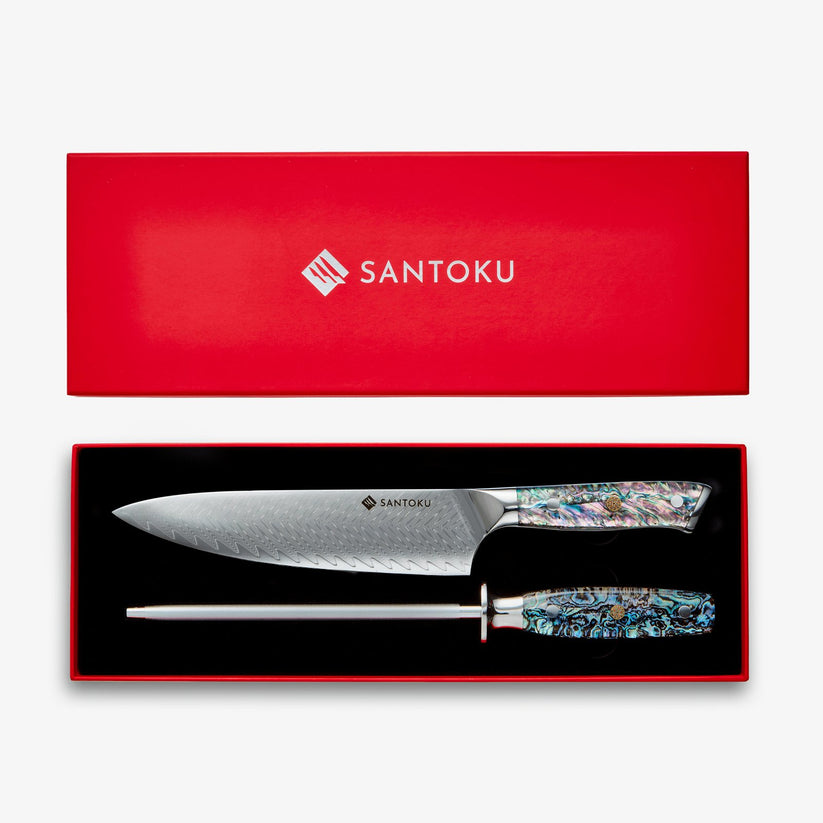
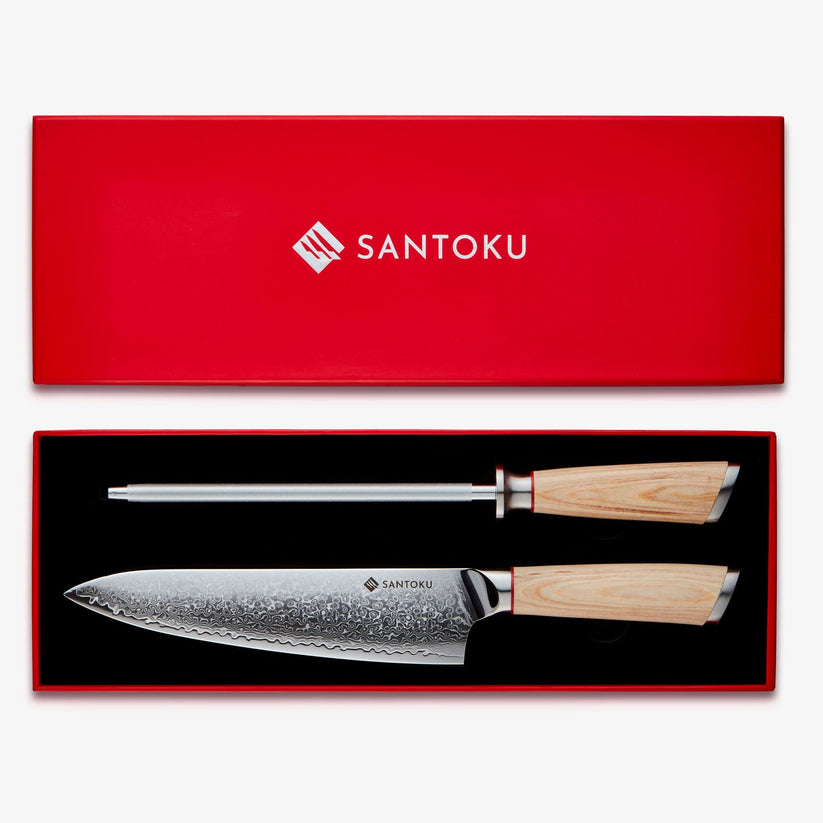
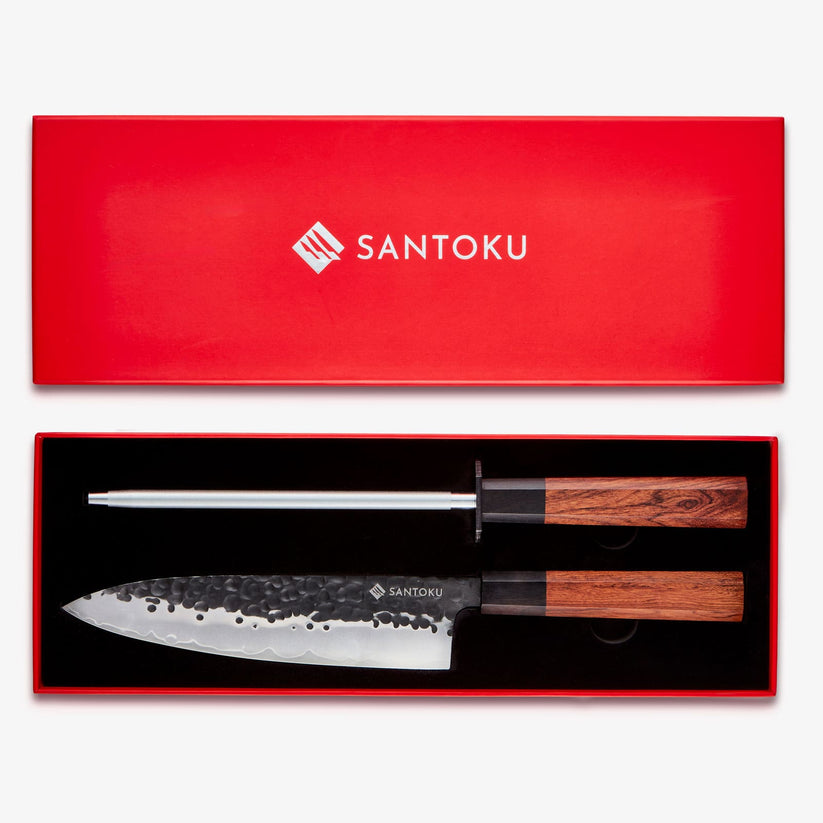
Upgrade Your Kitchen Tools

Make recipe prep easier with professional-grade knives

Browse Collection

10 Tips to keep in mind when cooking lasagne

  1. Use a mix of meats: Combining ground beef and Italian sausage enhances the flavor of the sauce.
  2. Don’t overcook the noodles: Cook the noodles until al dente so they don’t become too soft during baking.
  3. Layer strategically: Spread a thin layer of sauce at the bottom to prevent noodles from sticking.
  4. Season each layer: Season the ricotta mixture and the meat sauce separately to ensure balanced flavors throughout.
  5. Use fresh herbs: Adding fresh parsley or basil to the ricotta mixture boosts freshness and flavor.
  6. Cover while baking: Covering the lasagne with foil for the first half of baking prevents the cheese from over-browning.
  7. Let it rest: Allow the lasagne to sit for at least 15 minutes before cutting. This helps it set and prevents the layers from sliding apart.
  8. Make it ahead: Lasagne tastes even better the next day as the flavors have time to meld. Make it ahead and reheat!
  9. Customize the filling: Add vegetables like spinach or mushrooms for added texture and nutrition.
  10. Freeze for later: You can freeze lasagne before or after baking for easy meal prep.


Serving Suggestions

Serve lasagne with a simple green salad topped with a light vinaigrette to balance the richness of the dish. Crusty garlic bread or a side of roasted vegetables, such as zucchini or eggplant, complements the hearty flavors. A glass of full-bodied red wine, like Chianti or Sangiovese, pairs perfectly with the boldness of the lasagne. For dessert, a classic Italian tiramisu or a slice of lemon sorbet will provide a refreshing finish.

FAQ for Lasagne

Q: Can I make lasagna ahead of time?
A: Yes, lasagna can be made ahead of time. You can assemble the lasagna and refrigerate it for up to 24 hours before baking. When you're ready to bake, remove it from the refrigerator and bake according to the recipe instructions.

Q: Can I freeze lasagna?
A: Yes, lasagna freezes well! You can freeze it either baked or unbaked. For unbaked lasagna, assemble it, wrap it tightly with plastic wrap and aluminum foil, and freeze. When you're ready to cook it, thaw overnight in the refrigerator and bake. For baked lasagna, allow it to cool, then wrap and freeze in individual portions or as a whole.

Q: How do I reheat lasagna?
A: To reheat lasagna, cover it with foil and bake it in a preheated oven at 350°F (175°C) for about 20-30 minutes, or until heated through. If you're reheating a small portion, you can use the microwave by heating it in 1-2 minute intervals.

Q: Can I make a vegetarian lasagna?
A: Absolutely! You can replace the meat filling with vegetables such as mushrooms, zucchini, spinach, or eggplant. You can also use plant-based meat alternatives for a meatless lasagna.

Q: How can I make lasagna gluten-free?
A: To make a gluten-free lasagna, simply use gluten-free lasagna noodles. You can find them in most grocery stores, or you can make your own using gluten-free flours.

Q: How long can lasagna stay in the fridge?
A: Lasagna can be stored in the refrigerator for up to 3-4 days. Make sure to cover it tightly with plastic wrap or place it in an airtight container to keep it fresh.

Q: What cheeses can I use in lasagna?
A: Common cheeses used in lasagna are ricotta, mozzarella, and Parmesan. However, you can also try using other cheeses such as provolone, fontina, or even a béchamel sauce for a creamier texture.

Q: Can I use no-boil lasagna noodles?
A: Yes, no-boil lasagna noodles are a convenient option. They absorb moisture from the sauce as the lasagna bakes, so ensure your sauce is slightly more liquid than usual to allow the noodles to cook properly.

Chef's Recommendation

"A sharp knife is your best friend in the kitchen. For recipes like this, I always reach for my Chikashi chef knife - it gives me the control and precision I need for perfect results every time."
Chef's Note: A sharp knife not only makes prep work faster but also safer - dull knives require more pressure and are more likely to slip.

Discover why our Japanese-style knife sets are trusted by home cooks and professionals alike.

Shop Professional Knives →
Back to blog